Elephant Font GHI: A Designer’s Sweatshirt Review
As an embroidery designer preparing for a limited seasonal drop, I approach every new machine embroidery design with a critical eye. When sourcing typography for premium apparel, the difference between a generic craft project and a high-end boutique brand piece often lies in the stitch architecture. Today, I am evaluating Elephant Font GHI specifically for use on heavyweight sweatshirts and oversized hoodies. My goal is to determine if this font carries the visual weight and technical stability required for commercial retail, or if it belongs strictly in the hobbyist category.
First Impressions and Stitch Personality
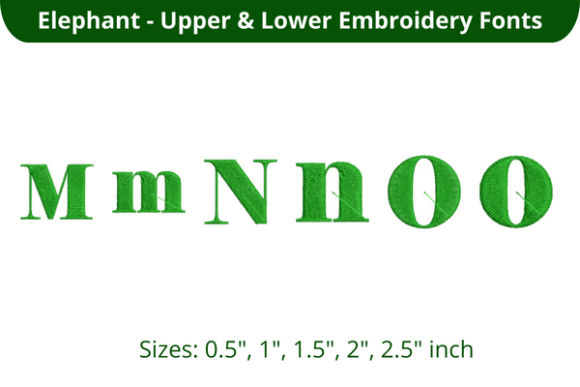
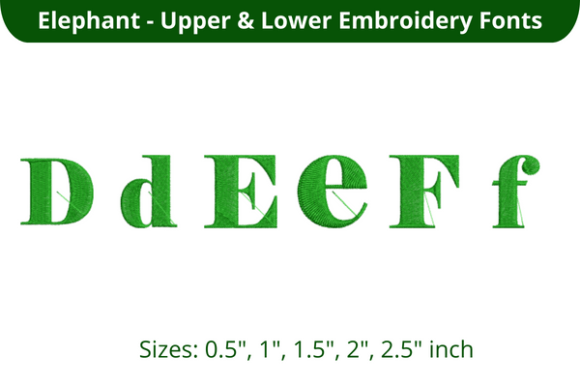
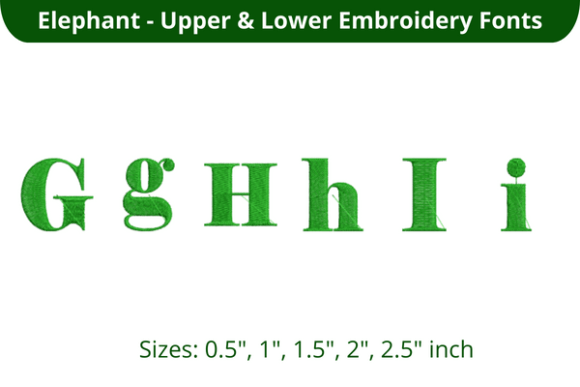
Upon loading the digital embroidery file into my digitizing software, Elephant Font GHI immediately presents itself as a versatile contender for personalized apparel. The letterforms strike a balance between playful and structured, avoiding the overly cursive loops that often cause registration issues on thick fabrics. For a Back To School collection or a cozy autumn lineup, this font offers a nostalgic yet clean aesthetic that appeals to modern buyers.
The "stitch personality" here is confident. Unlike thinner script fonts that can get lost in the nap of a fleece sweatshirt, Elephant Font GHI appears to have sufficient column width to sit proudly on top of the fabric texture. This is crucial when designing for neutral tones like oatmeal, slate grey, or washed black. On these colors, the embroidery must provide enough contrast and presence to be photographed well for lifestyle shots and printable mockup previews. The font feels premium rather than cheap, suggesting it will translate well to a higher price point for custom apparel.
Application on Premium Sweatshirts and Hoodies
When planning a sweatshirt embroidery project, placement is just as important as the design itself. I tested the mental visualization of Elephant Font GHI across three key areas of boutique merchandise:
- Chest Placement: For left-chest logos or names, readability at smaller sizes is paramount. This font maintains legibility even when scaled down for a subtle, minimalist look. It avoids the cluttered appearance that plagues many decorative fonts, making it ideal for brand identity markers or personalized initials.
- Oversized Hoodie Backs: Large-scale quotes require a font that doesn't become monotonous. Elephant Font GHI has enough character variation to keep long phrases engaging without looking messy. The spacing appears optimized for horizontal runs, which prevents the "wall of text" effect that can make a hoodie design look unprofessional.
- Sleeve Accents: Wrist or forearm text is trending heavily in the Etsy seller community. Because sleeve fabric stretches significantly during wear, this font’s apparent structural integrity suggests it will resist distortion better than delicate serifs.
For those creating seasonal apparel, this typeface bridges the gap between cute and sophisticated. It works beautifully for matching sibling sets, teacher appreciation gifts, or collegiate-style university merch, all while retaining a distinct handmade charm.
Technical Considerations for Commercial Embroidery
A beautiful screen view does not always guarantee a perfect sew-out. As a professional, I must address the practical concerns of running Elephant Font GHI in a production environment. Before committing this design to your shop's inventory, you must verify specific technical details included in your purchase, as they vary by vendor.
Stabilizer and Fabric Texture: Sweatshirt fleece is unstable. Even with a high-quality font, using the wrong stabilizer will result in puckering. For this font, I recommend a medium-weight cutaway stabilizer for permanent support, especially if the design is dense. If you are working with a lighter French terry, a tear-away might suffice, but always test first. The interaction between the stitch density of Elephant Font GHI and your specific garment weight will dictate your backing choice.
Thread Colors and Contrast: This font likely relies on satin stitches or fill patterns that react differently to sheen. Matte threads may make the design look flatter and more vintage, while rayon or polyester threads will add a glossy, sporty finish. When selecting thread colors, consider how they interact with the fabric dye. White thread on cream sweatshirts creates a tonal, luxury effect, whereas navy on heather grey offers classic visibility. Always run a test sew-out to ensure the finished product matches your digital proof.
Hoop Size and Tension: Ensure your hoop size accommodates the full length of any intended quotes without excessive re-hooping. Re-hooping increases the risk of misalignment. Furthermore, check your machine tension. Thick fonts can sometimes cause bobbin thread to pull to the top if the tension is too tight, creating a rough texture against the skin. Since comfort is key for cozy apparel, the back of the embroidery must be smooth.
Elevating Brand Value and Buyer Trust
In the competitive landscape of small shop product listings, typography signals quality. Customers can instinctively tell the difference between a hastily applied clip-art font and a thoughtfully chosen embroidery typeface. Using Elephant Font GHI demonstrates an attention to detail that builds buyer trust. It suggests that the creator understands the medium and has selected assets specifically for textile application rather than paper printing.
For commercial embroidery businesses, consistency is currency. Adopting a signature font like this helps establish visual recognition across your catalog. When customers see that distinctive lettering on a tote bag, baby bib, or crewneck, they associate it with your brand's standard of quality. This cohesion transforms individual items into a recognizable collection.
Moreover, high-quality typography enhances perceived value. A sweatshirt featuring crisp, well-executed text justifies a boutique price tag far better than one with jagged edges or poor spacing. For handmade product sellers, this distinction is vital. You are not competing with fast fashion on price; you are competing on craftsmanship and personalization. Elephant Font GHI supports this narrative by providing a polished foundation for your creative expression.
Workflow Integration for Digital Sellers
If you sell physical goods or offer custom services, integrating this font requires a streamlined workflow. Always confirm the license terms within your embroidery file package before listing products. Some licenses restrict commercial use or limit the number of units sold. Clarifying this upfront protects your business.
When creating listings, showcase the font's versatility. Photograph the embroidery on multiple fabric types to demonstrate its adaptability. Include close-up macro shots so buyers can appreciate the stitch definition. For Etsy seller success, keywords matter; describe the mood accurately. Is it rustic? Modern? Whimsical? Elephant Font GHI seems to lean toward a soft, approachable modern aesthetic, which should be reflected in your tags and descriptions.
Finally, remember that no design asset is a magic bullet. Success comes from the marriage of good design and skilled execution. Elephant Font GHI provides an excellent starting point for personalized apparel, but your expertise in hooping, stabilization, and color theory brings it to life. By treating this font as a professional tool rather than a quick fix, you elevate your entire product line. Whether you are stitching names for a preschool class or branding a capsule collection, this typeface offers the reliability and style necessary for serious embroidery work.
Before beginning production, I strongly advise reviewing the specific file formats, stitch counts, and sizing options provided with your download. Test on scrap fabric identical to your final garment to dial in your settings. Only through this rigorous validation process can you ensure that Elephant Font GHI delivers the premium results your customers expect and your brand deserves.