Elephant Font DEF: A Designer’s Craft Fair Review
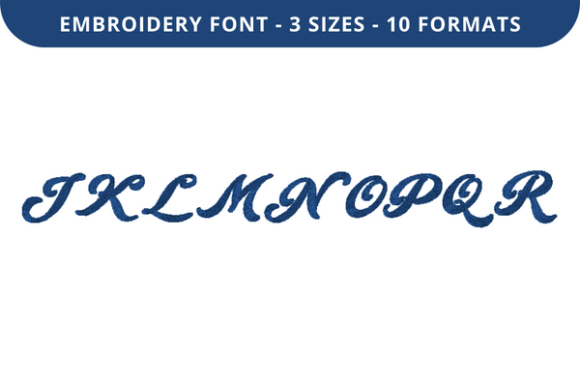
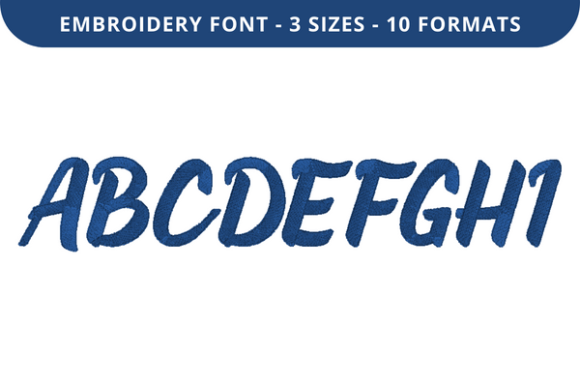
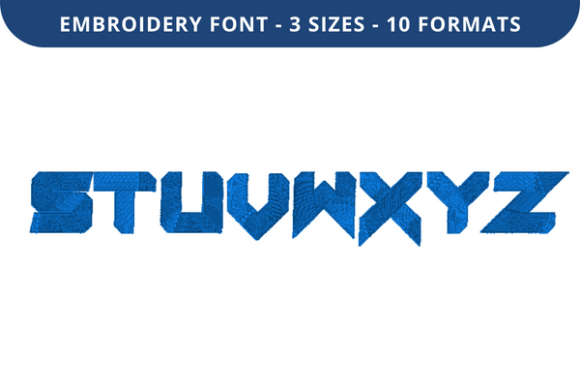
As I prepare my inventory for the upcoming weekend craft fair, my primary focus is always on versatility and visual impact from a distance. When evaluating Elephant Font DEF for my booth display, I am looking at it through the lens of a production embroiderer who needs designs that sell quickly and stitch out reliably on various substrates. This machine embroidery design presents itself as a high-quality tool for personalization, but its true value lies in how it translates from a digital screen to a tangible handmade product. Based on the title and description, this font carries a distinct personality that suggests a blend of whimsy and readability, making it particularly relevant for the Back To School season and family-oriented markets.
First Impressions and Booth Appeal
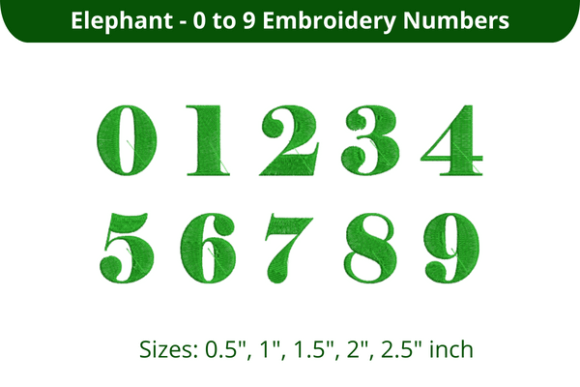
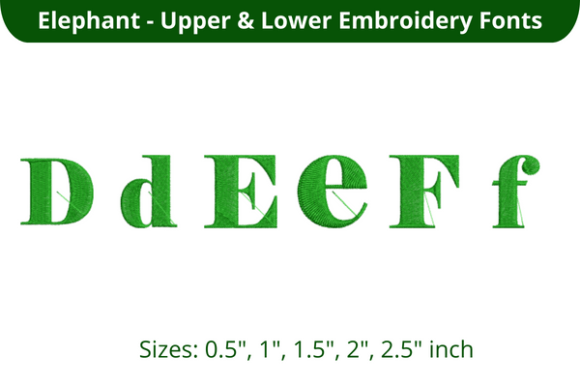
My immediate assessment of Elephant Font DEF is that it likely possesses a soft, rounded, or illustrative quality inherent to its name. In a crowded market environment, customers are drawn to items that feel approachable and customized. This font does not scream "corporate" or "industrial"; instead, it feels cute, playful, and premium in a boutique sense. For an Etsy seller or craft fair vendor, this aesthetic is gold because it bridges the gap between novelty and heirloom quality. It feels festive enough for children's items yet structured enough for adult accessories when paired with the right thread colors.
When setting up a table display, legibility is paramount. Shoppers often view products from three to five feet away. If Elephant Font DEF maintains clear letterforms without excessive decorative clutter, it will function excellently as a focal point on tote bags and aprons. The "elephant" association implies a certain weight or charm to the characters, which can add perceived value to simple blanks. Unlike standard block fonts that can look flat, this typeface likely offers a unique silhouette that catches the eye, encouraging customers to pick up the item and ask about custom orders.
Best Applications for Market Products
Determining where to apply this embroidery file is critical for maximizing return on investment during batch production. Based on its described versatility for names, dates, and quotes, here is how I evaluate its performance across key categories:
- Tote Bag Design: This is arguably the strongest application. Canvas totes provide a stable, flat surface that allows the font to shine. Personalizing a tote with a teacher’s name or a student’s initials using Elephant Font DEF creates an instant bestseller for back-to-school events.
- Apron Embroidery: For kitchenware, this font adds a cozy, homemade touch. It works beautifully for monograms on bib aprons or naming baking towels. The character style likely complements gingham or linen textures common in farmhouse-style booths.
- Tea Towel Embroidery: Flour sack towels are a staple small shop product. However, care must be taken with texture. If the font has open spaces or lighter fill stitches, it reads better on smooth cotton than on coarse terry cloth.
- Embroidered Patch: If the font is bold enough, it can be stitched onto felt or twill to create standalone patches. These are high-margin add-ons at craft fairs. Ensure the letters connect well if creating a merrowed edge patch.
- Caps and Pouches: Curved surfaces like caps present challenges. If Elephant Font DEF includes tall ascenders or descenders, it may require distortion correction. Small zipper pouches are safer bets for testing this font’s smaller size capabilities.
Production Realities and Technical Considerations
While the visual appeal draws customers in, the technical execution keeps profit margins healthy. As a professional designer, I must scrutinize the stitch density and construction of this digital embroidery file before committing to bulk production. Fonts marketed as "high-quality" should ideally have optimized jump stitches and appropriate underlay, but verification is mandatory.
One specific caution involves fabric texture and stabilizer choice. If you plan to use Elephant Font DEF on textured towels or thick canvas market bags, you must use adequate stabilizer to prevent the stitches from sinking into the weave. Conversely, on lightweight fabrics like pillow covers or baby garments, verify that the design isn't too dense, which could cause puckering or stiffness. Always test the design on scrap fabric identical to your final product. Check thread contrast rigorously; a light grey font on white fabric might look elegant on a screen but disappear entirely under outdoor tent lighting at a fair.
Furthermore, consider the minimum readable size. Decorative fonts often lose clarity when scaled down below one inch. If you intend to use this for tiny tags or collar labels, run a test stitch-out first. Tiny details in novelty fonts can turn into thread nests if pushed beyond their limits. Confirm the recommended hoop size and ensure your machine can handle the field area required for longer quotes or names without excessive re-hooping.
Commercial Viability and Brand Consistency
For commercial embroidery businesses and creative entrepreneurs, consistency builds brand recognition. Using Elephant Font DEF across multiple product lines—from backpacks to lunch boxes—creates a cohesive collection that looks professional rather than haphazard. This cohesion is vital for both physical booth displays and online listings.
Photography plays a massive role in sales. Because this font is designed for personalization, your printable mockup or listing photos should showcase real-world applications rather than just digital renders. Customers need to see how the thread sheen interacts with the fabric. When photographing finished products for Etsy or social media, use natural lighting to highlight the dimensionality of the stitches. A flat scan of the design assets rarely sells the emotional connection that a photo of a child holding a personalized bag does.
Before listing any finished product, strictly review the licensing terms included with the purchase. While the description highlights its utility for personalization, you must confirm whether commercial use for physical goods is permitted. Never assume; always check the license file. Protecting your business means respecting intellectual property while leveraging these tools to create unique, sellable inventory.
Final Verdict for the Weekend Vendor
In conclusion, Elephant Font DEF appears to be a valuable asset for vendors targeting the family, education, and gift markets. Its potential to elevate standard blanks into cherished, personalized gifts makes it highly suitable for craft fairs where emotional purchasing drives sales. By pairing this font with the right substrates—specifically smooth cottons and sturdy canvases—and adhering to rigorous testing protocols regarding stabilization and sizing, you can produce items that stand out for their quality and charm.
Remember that successful selling is about reducing risk. Create at least one physical sample of every new product type before the fair opens. Inspect the back of the embroidery as critically as the front; messy backs indicate tension issues that could lead to returns. Compare different thread colors against various fabric backgrounds to build a reliable menu of options for on-site customization. When executed correctly, Elephant Font DEF is more than just a collection of letters; it is a catalyst for connection, turning generic merchandise into meaningful keepsakes that customers are eager to buy.